


Here’s how we replace exterior siding
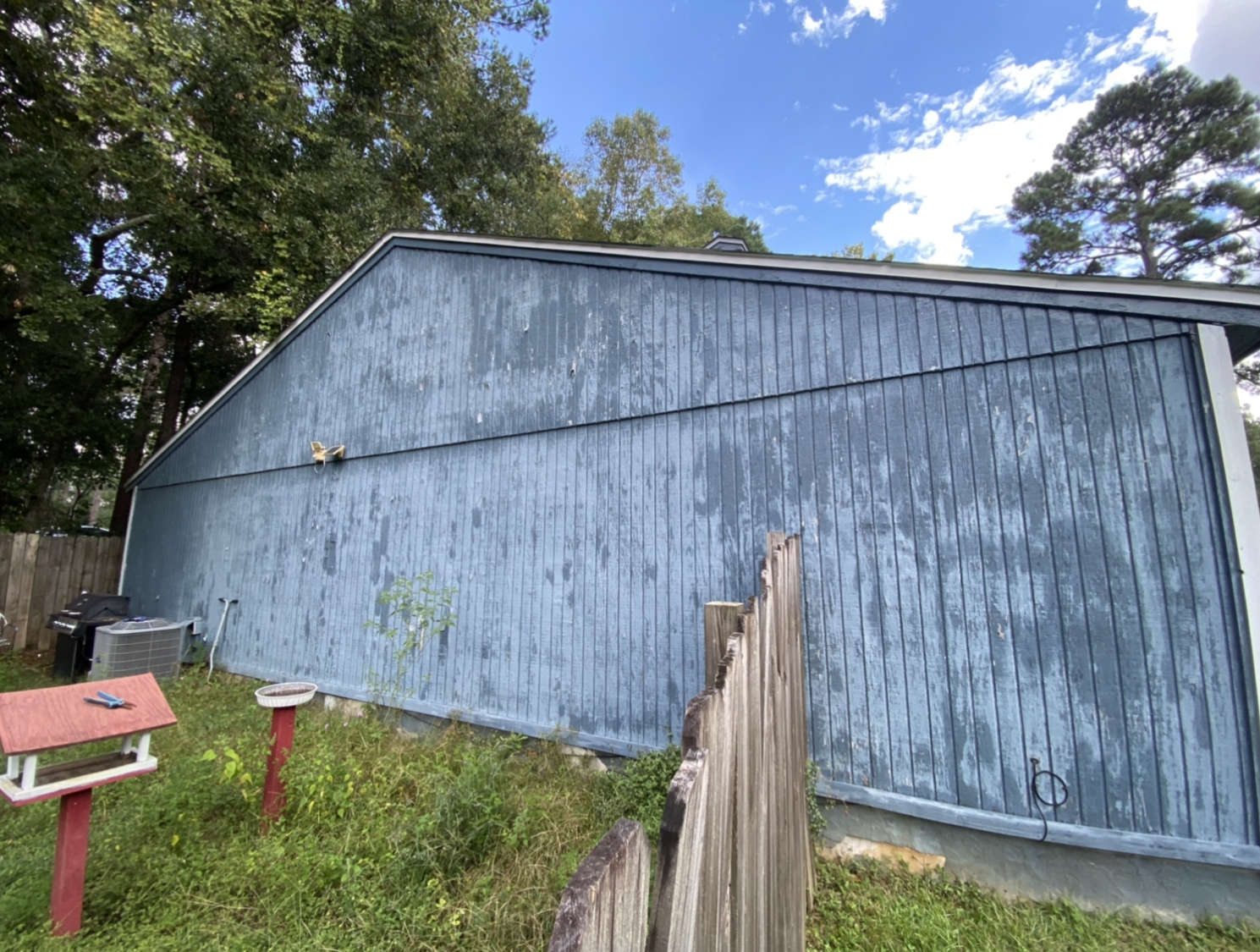
This townhouse was built almost 40 years ago and still had original wood siding, but it was clearly starting to rot and fade. You could even see the interior styrofoam in some places.
Rather than replacing it with new wooden siding, we now install hardie board whenever possible. Hardie board is made of a fiber and cement mixture and is often textured to look like wood. It lasts much longer than today’s lumber. After painting, it looks great.
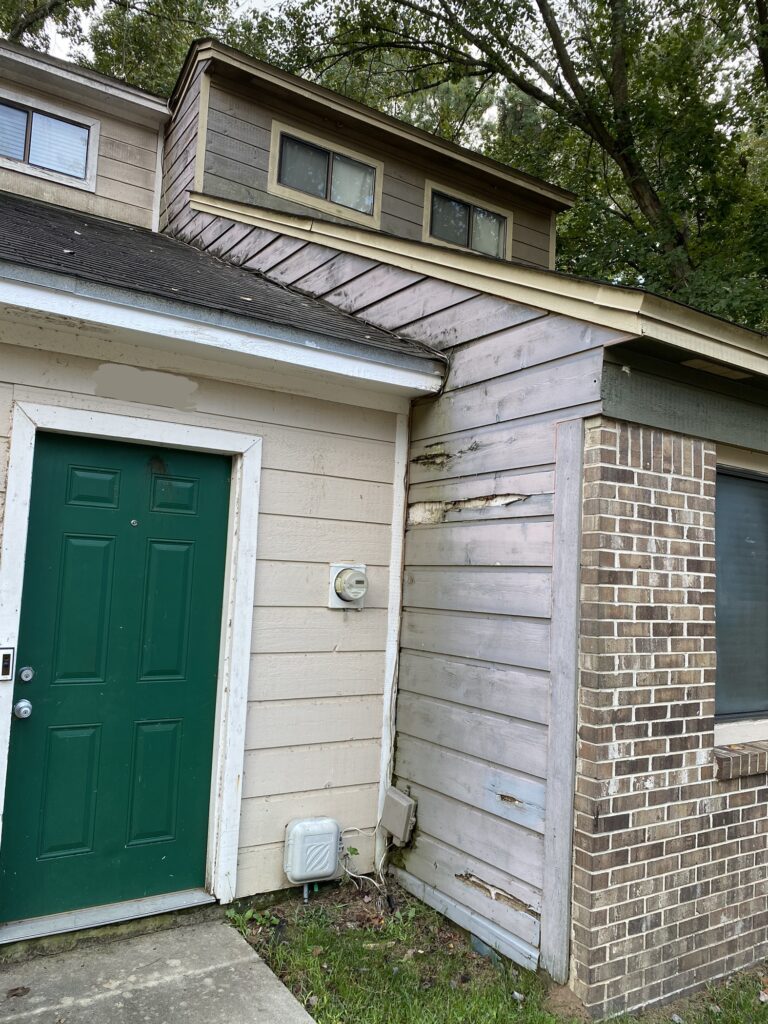
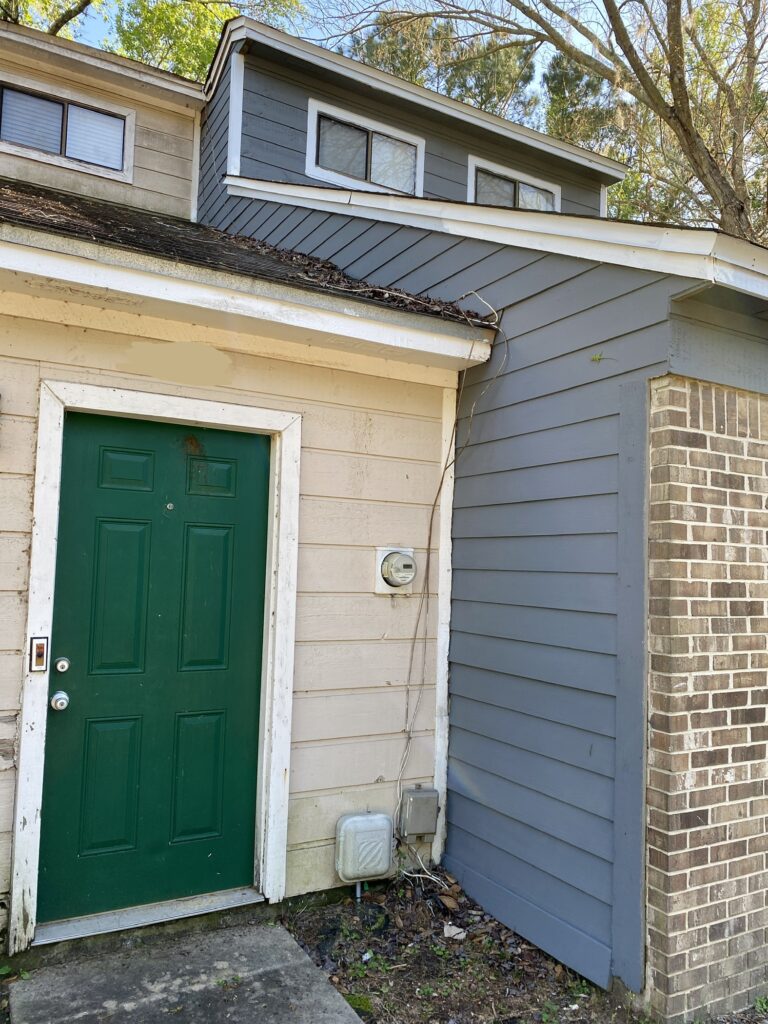
The downside of using hardie board is that it is more expensive and a lot heavier, making it harder to install. It’s also a bit more brittle and can sometimes snap when you’re moving it if you’re not careful.
For the smaller section above, we used long hardie board planks. When we need to replace a larger area, like this townhouse below, we use 4’x8’ hardie board sheets or something similar called LP Smart Siding that uses engineered wood combined with an adhesive resin. The LP Smart Siding is typically cheaper.
Before we installed the new siding, you could practically poke your finger through the worn out wood.
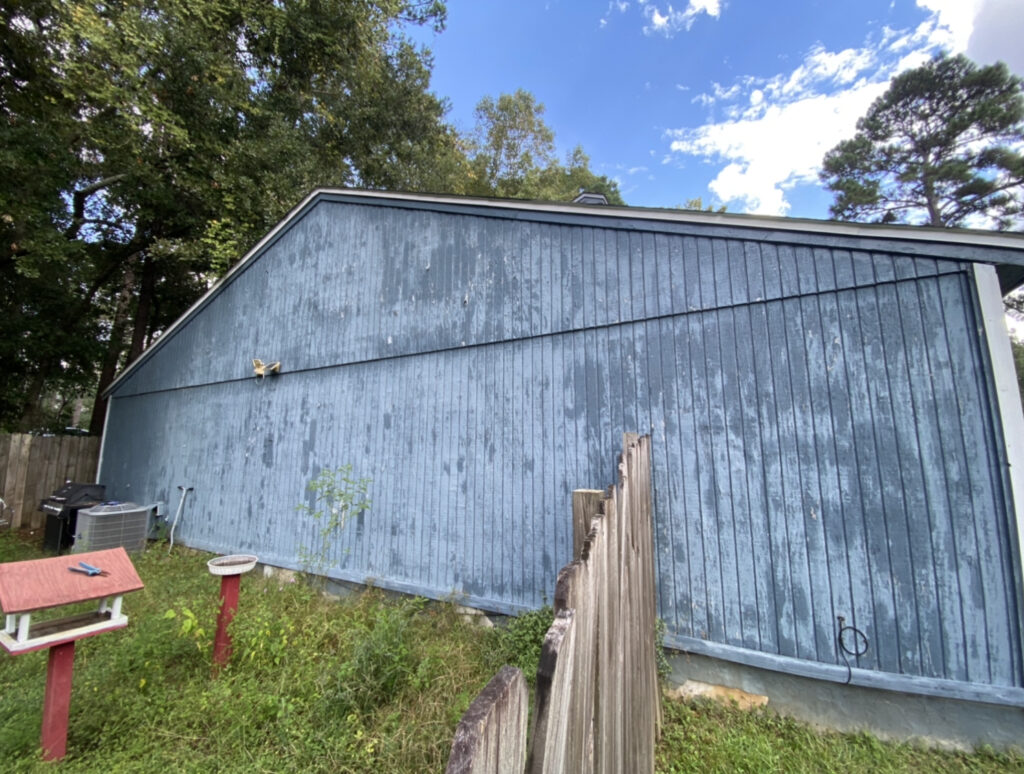
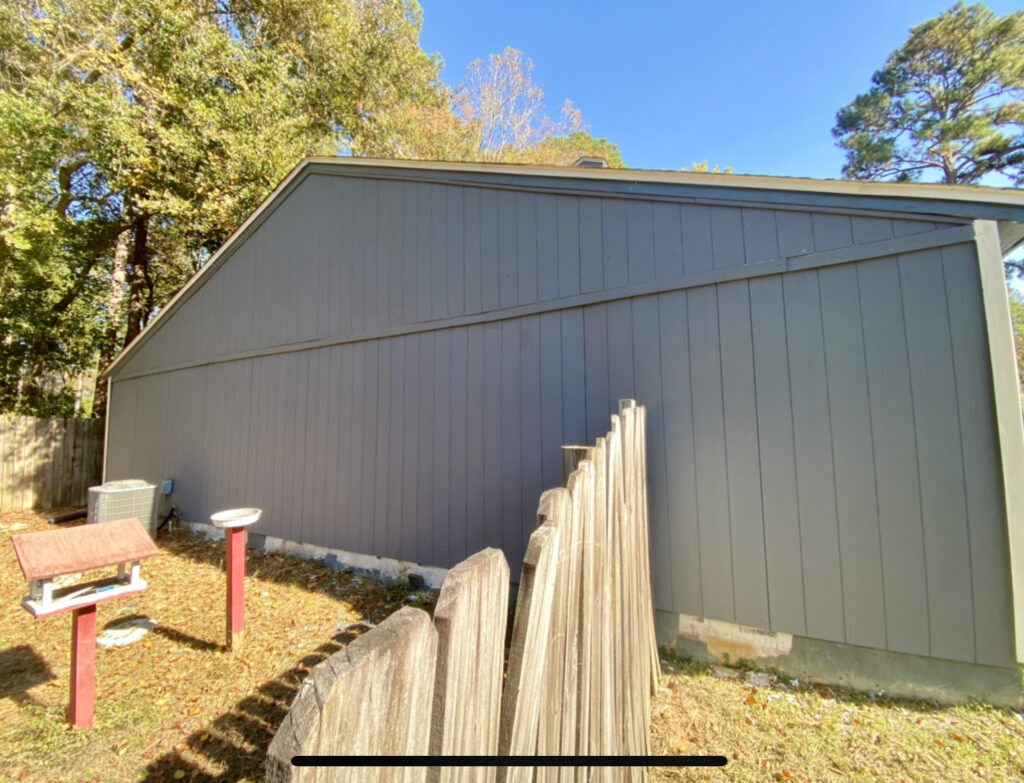
I can see why some real estate like to stick with wooden siding. There’s nothing wrong with that and it will still last for years — especially if you paint it every few years.
We really try and approach maintenance and improvements with a mindset of reducing headaches decades down the road.
We also own several townhouses that are 25+ years old and were built with something similar to hardie board siding. They need to be pressure washed every once in a while, but structurally they are as strong as the day they were built.